 Core
凝蜜 NINGMI
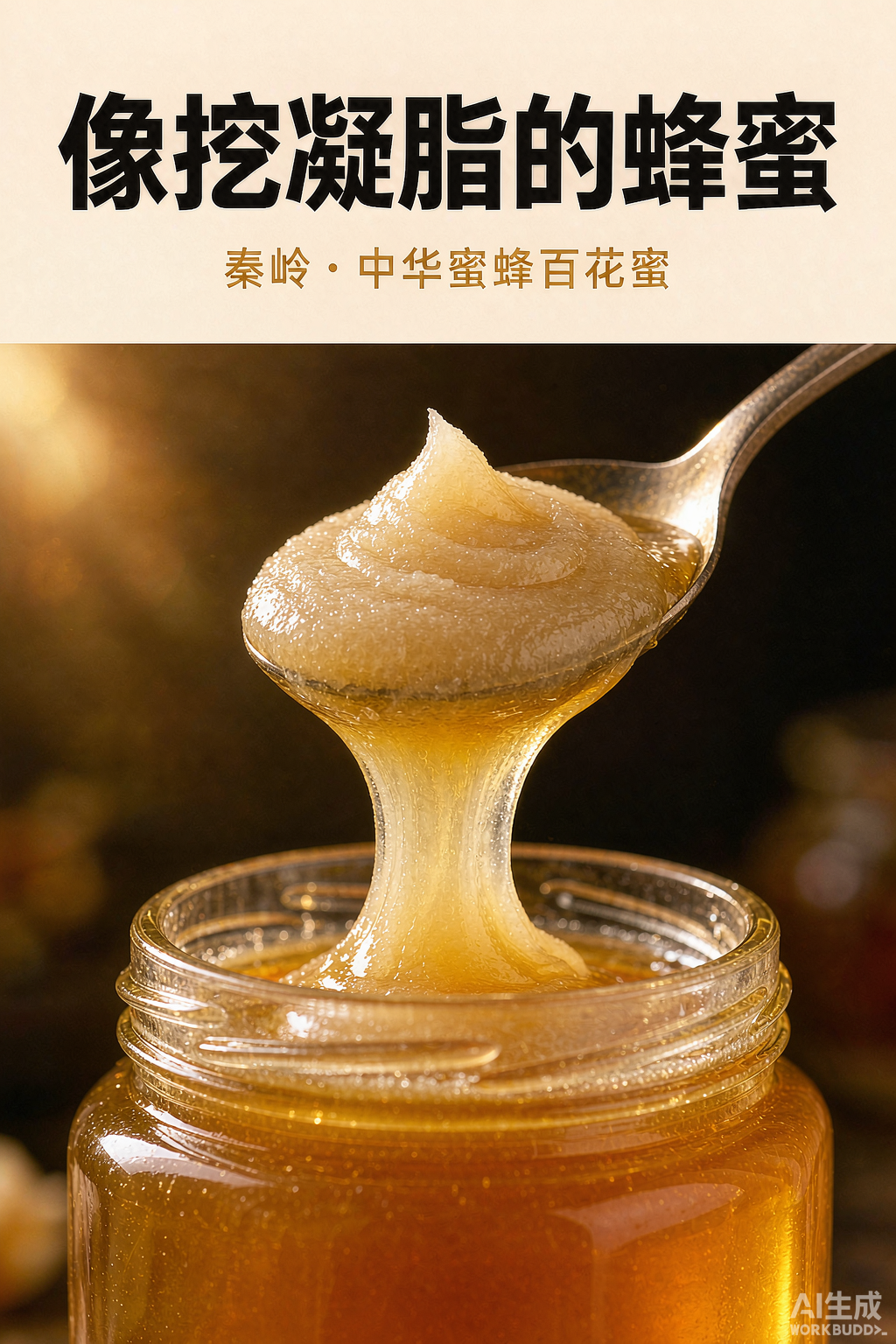
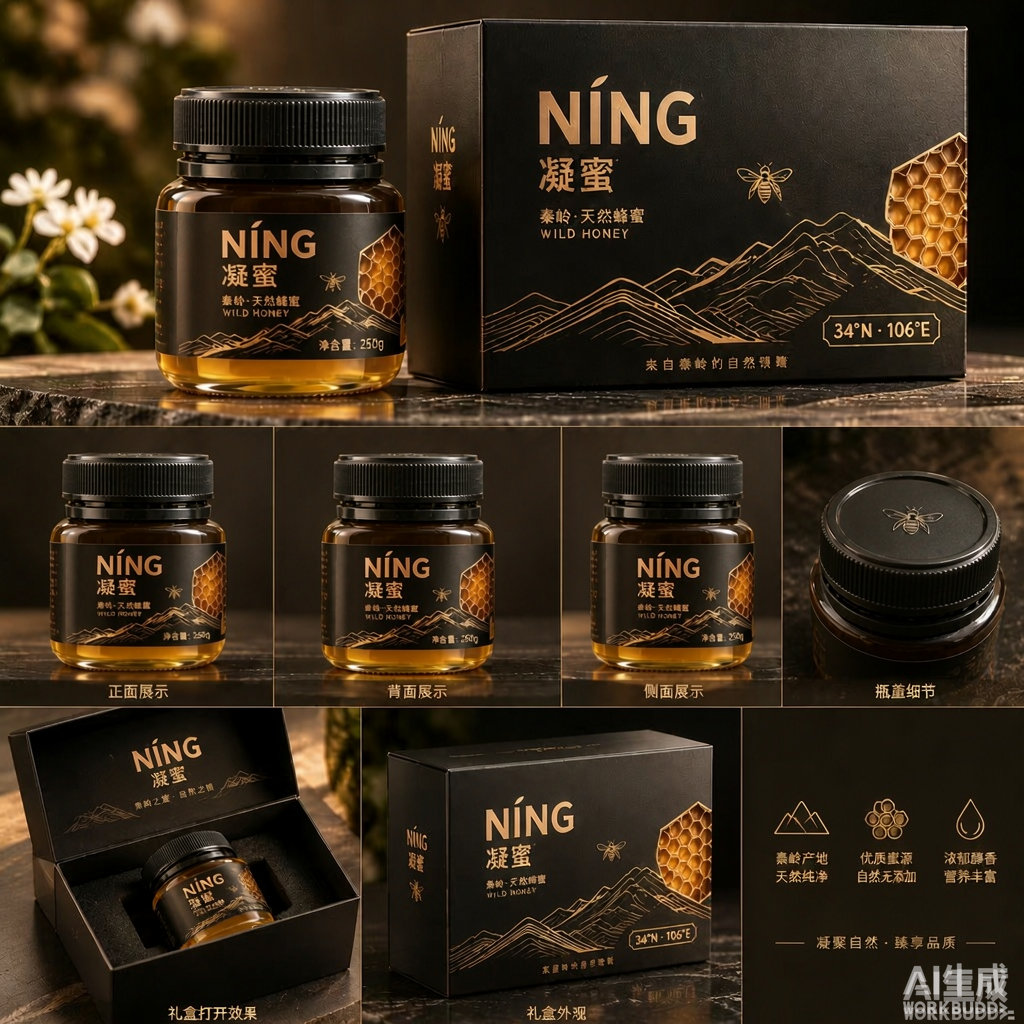
Set like cream. Crystallised multifloral honey, celebrated for its fine custard texture — a gentle companion to breakfast and baking.
¥78
250g
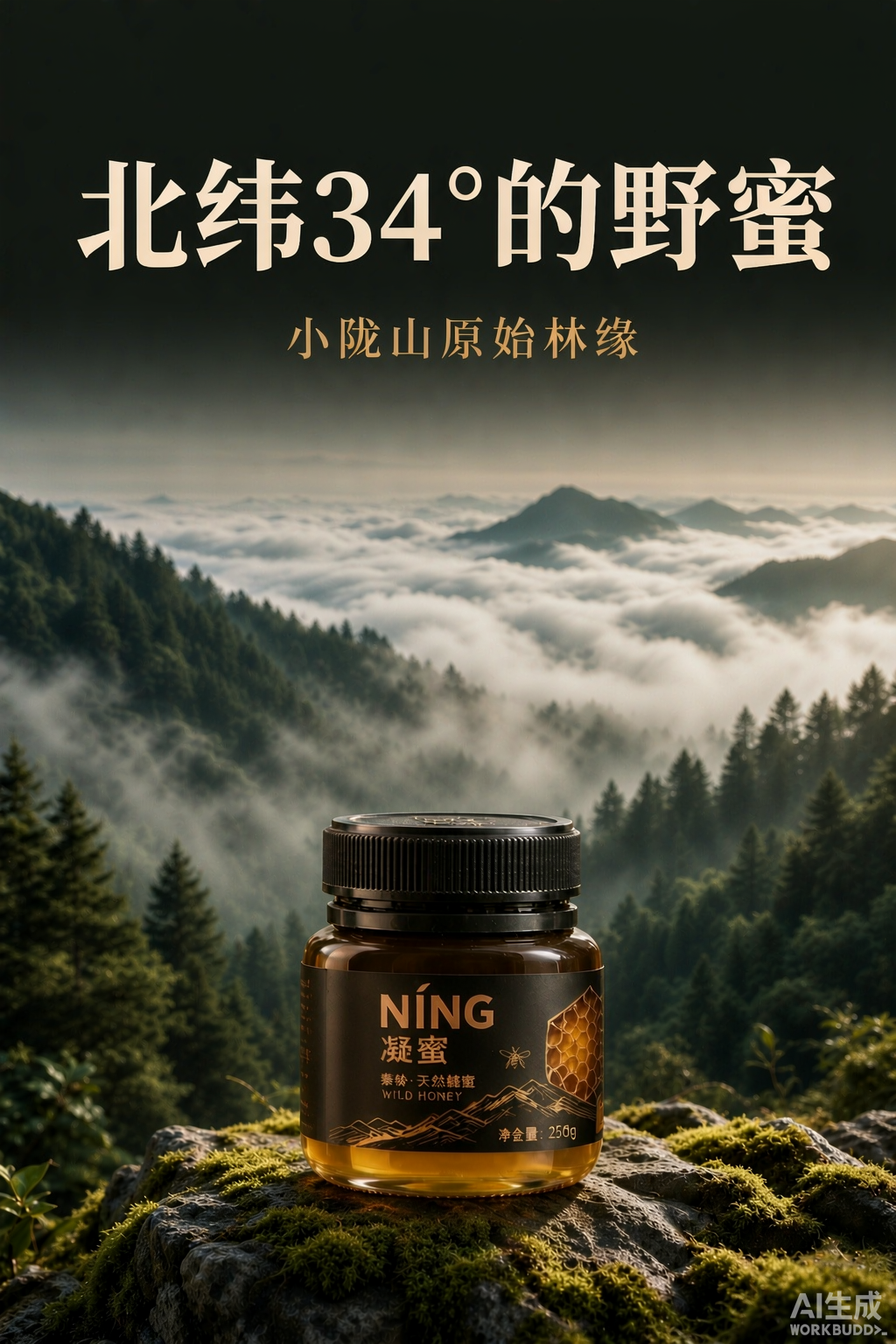
Northern Qinling · Xiaolongshan forest edge
A single harvest each year, by the Chinese honey bee, from the blossoms of Baijiang thorn and over 2,700 highland plants. Naturally crystallised to a fine cream — cool at first, then it melts.
THE ORIGIN
The apiary sits on the northern slopes of the western Qinling, at the edge of the old-growth Xiaolongshan forest. Wild animals still leave their marks here — the mountain is wild, and so is its honey.
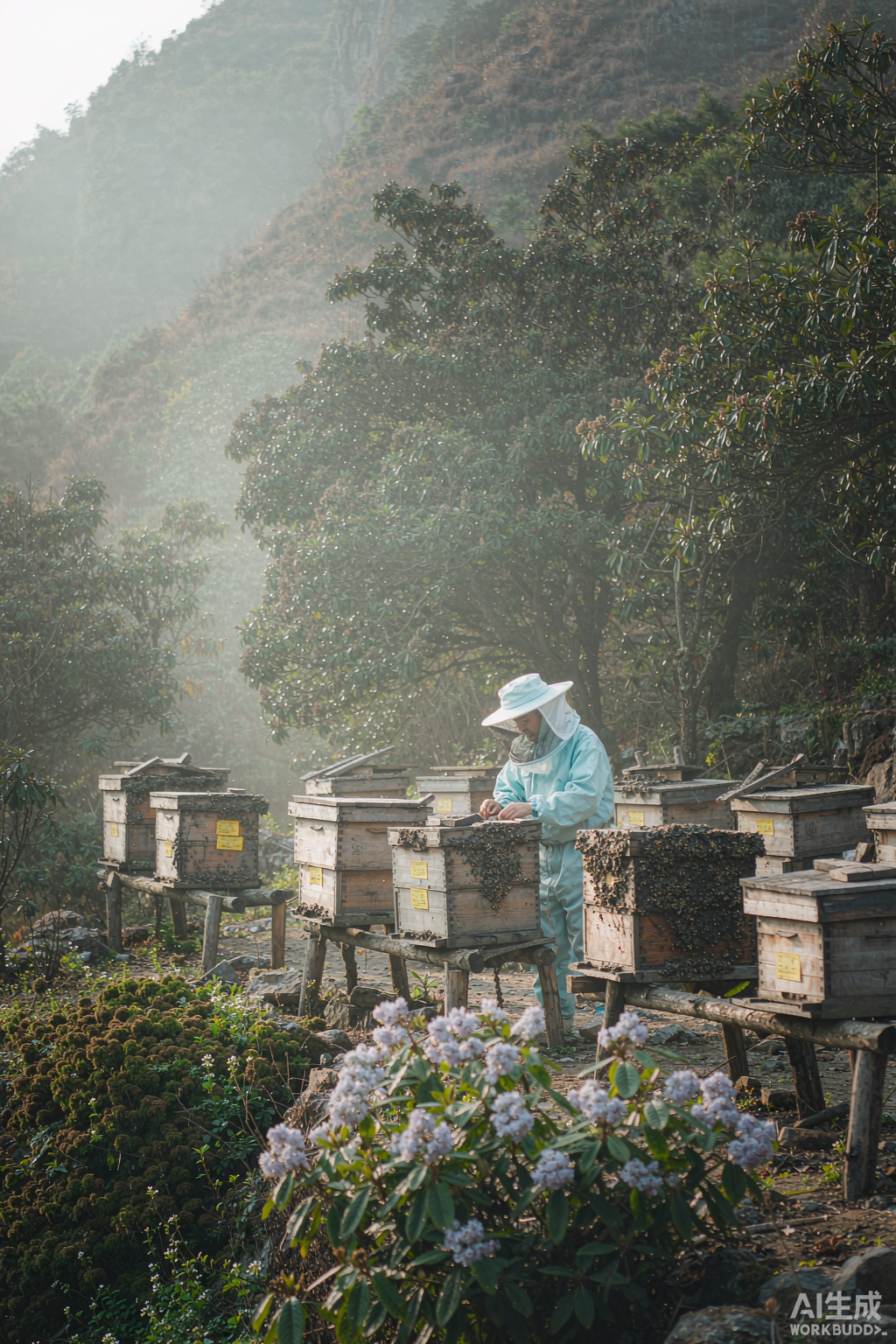
The core nectar source is the Baijiang thorn (white-flowered sophora). The bees roam the hundred blossoms of Xiaolongshan, sealing the taste of a whole mountain into a single jar.
The Chinese honey bee, harvested just once a year when fully capped. Patience is the deepest respect we can show this mountain.
THE FOREST
The apiary sits where Baihua Forest meets Liyuan Forest — enjoying 40,000 hectares of nectar country across the two forests. Here the bees roam the flowers of both, sealing the whole wild into a single jar.
The apiary sits at the edge of Xiaolongshan National Forest Park, between 760 and 2,467 metres — an old-growth forest margin touched little by human hands. This is no manicured nectar plantation; it is wild country the bees have claimed for themselves.
Honey is taken by an ecological ethic: the Chinese honey bee is kept on site, with no migratory foraging, harvested once a year only after the cells are capped, leaving the bees enough to overwinter — returning the mountain to itself.
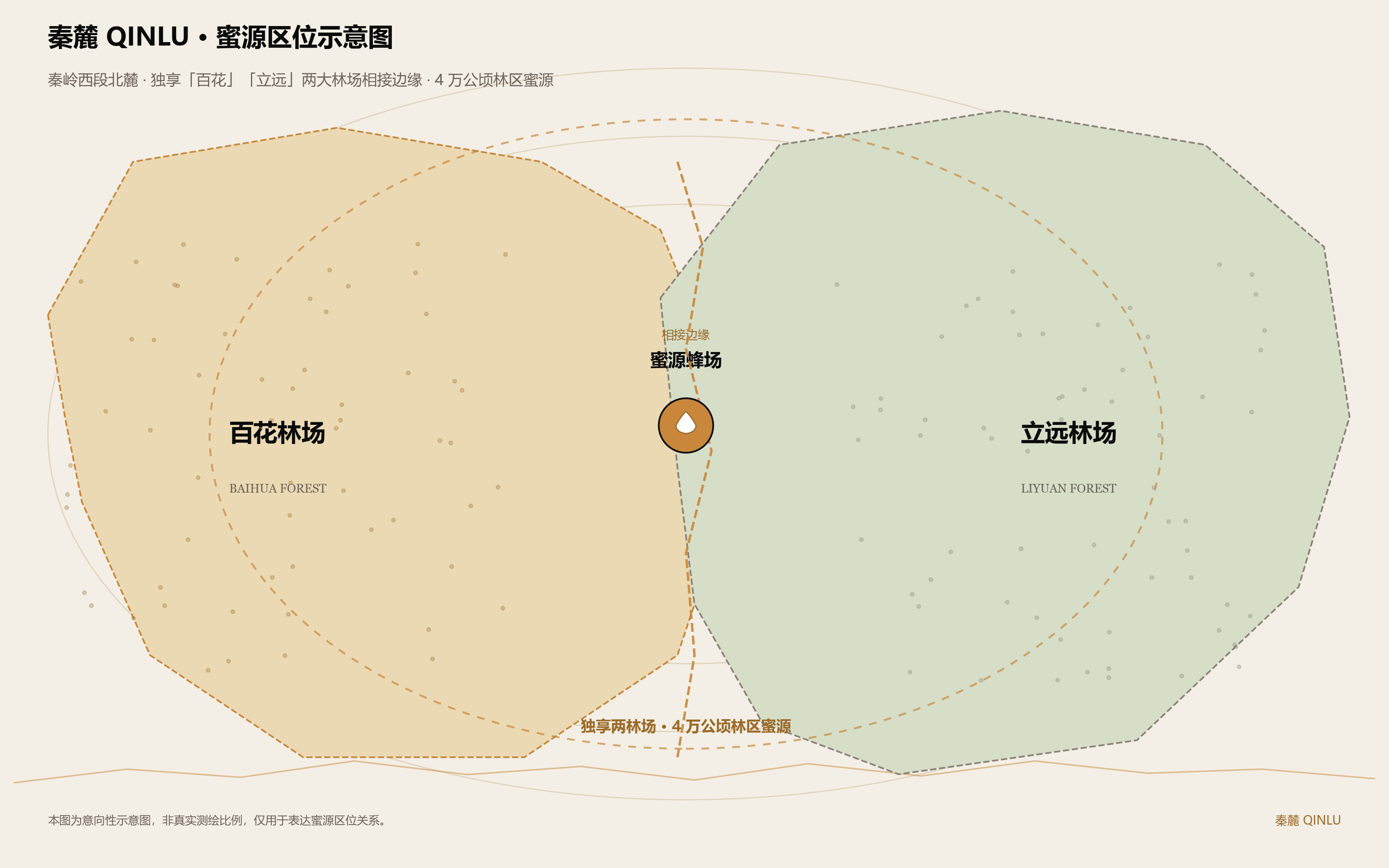
Baihua Forest × Liyuan Forest · an apiary at their edge · 40,000 hectares of nectar country
TERROIR & QUALITY
From low-altitude scrub and meadow to the oak forests of the mid-slopes, herbaceous and woody nectar plants bloom in succession across the Xiaolongshan forest edge. The Baijiang thorn (white-flowered sophora) leads, joined by many herbaceous nectar plants that together build the layered character of a multifloral honey.
The plants listed are representative nectar and medicinal-source flora of the Xiaolongshan forest edge in the western Qinling — an illustration of the flora only, with no health or therapeutic claims.
Characteristic markers of the core nectar source, Baijiang thorn (white-flowered sophora), attesting to it as the leading nectar.
Together form the total polyphenol fingerprint, reflecting the character of a single origin and single source — alongside sugar-spectrum and pollen analysis.
Drawn mainly from pollen, led by proline — an internationally used reference for honey quality and maturity.
These three classes serve solely as traceability and quality indicators, with no health, therapeutic or efficacy claims; specific values are subject to third-party laboratory reports.
THE TEXTURE
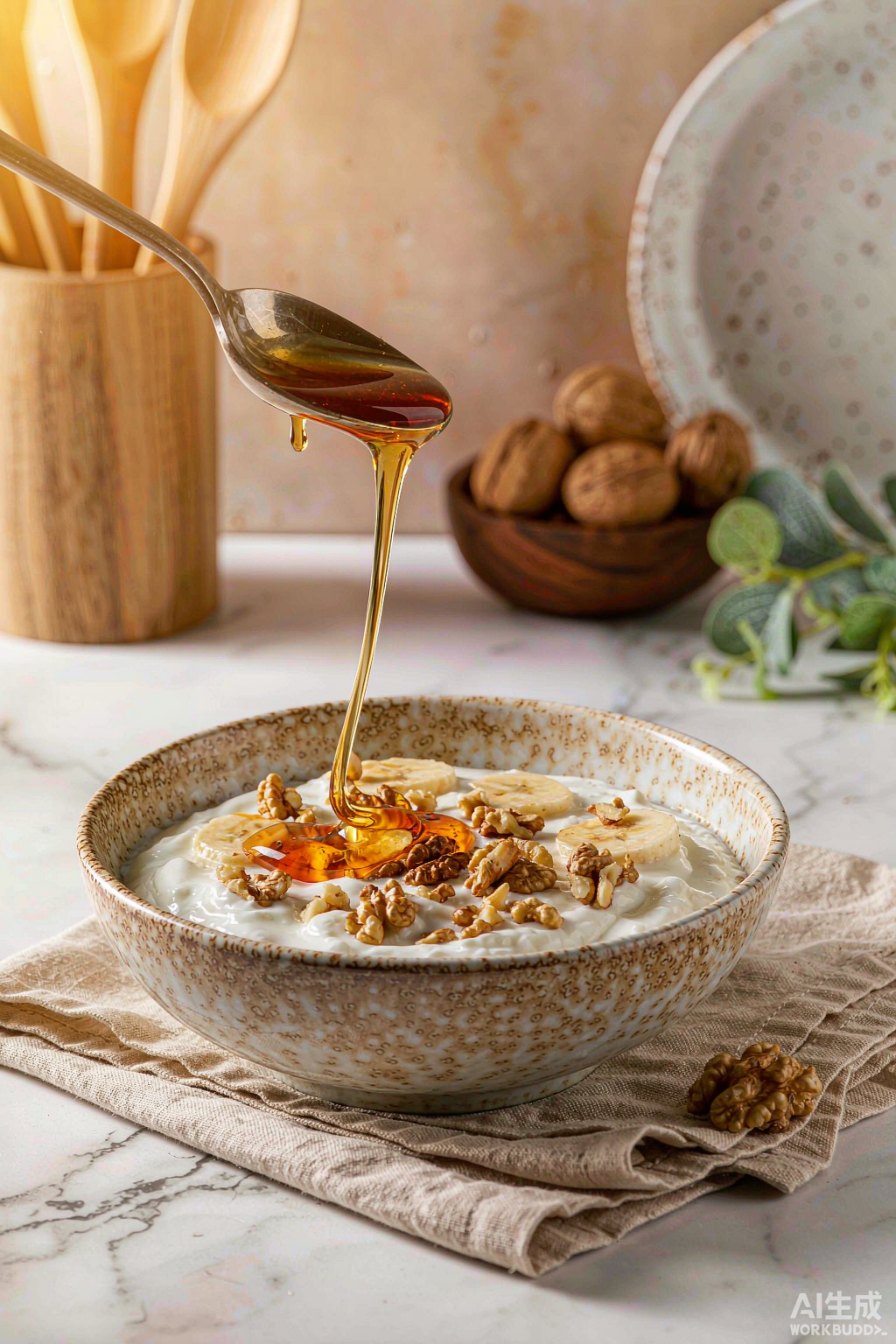
Deep amber, matte surface. A spoon stands in it; it stretches in ribbons rather than threads — because Chinese-bee multifloral honey is high in pollen, offering many crystallisation nuclei, so it sets quickly into fine crystals with a natural cream, custard-like texture.
Crystallisation is a normal physical state of natural honey, not spoilage. Fine enough to carry no graininess — spread over warm toast, it is a mouthful of the wild.
Use below 40°C to keep its texture and character.
THE PRODUCTS
Honey from the same forest, set into three lines.
Core
Set like cream. Crystallised multifloral honey, celebrated for its fine custard texture — a gentle companion to breakfast and baking.
 Numbered · limited
A forest where bears roam, a jar with its own number. Traceability and rarity, in a numbered limited run.
 Gifting
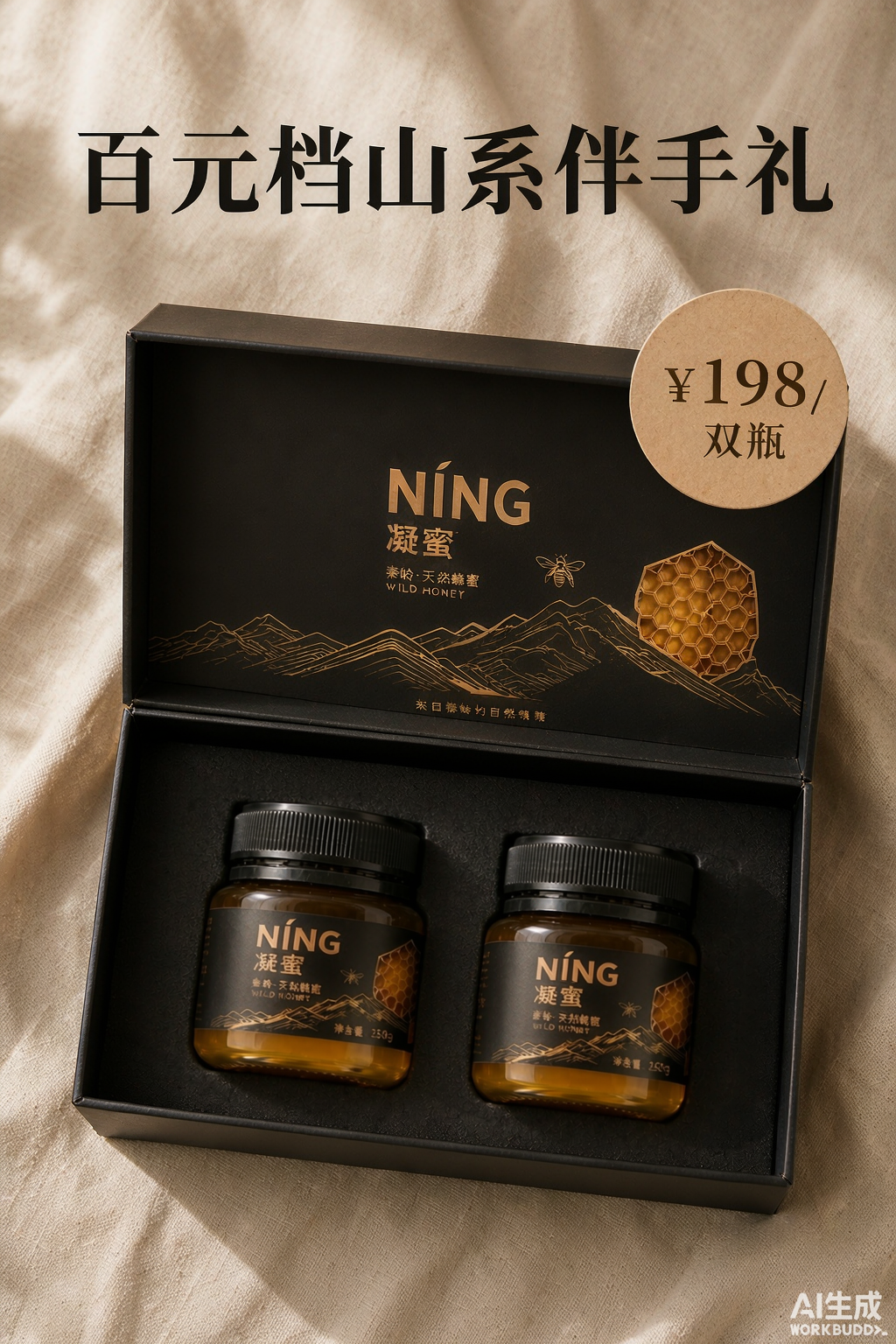
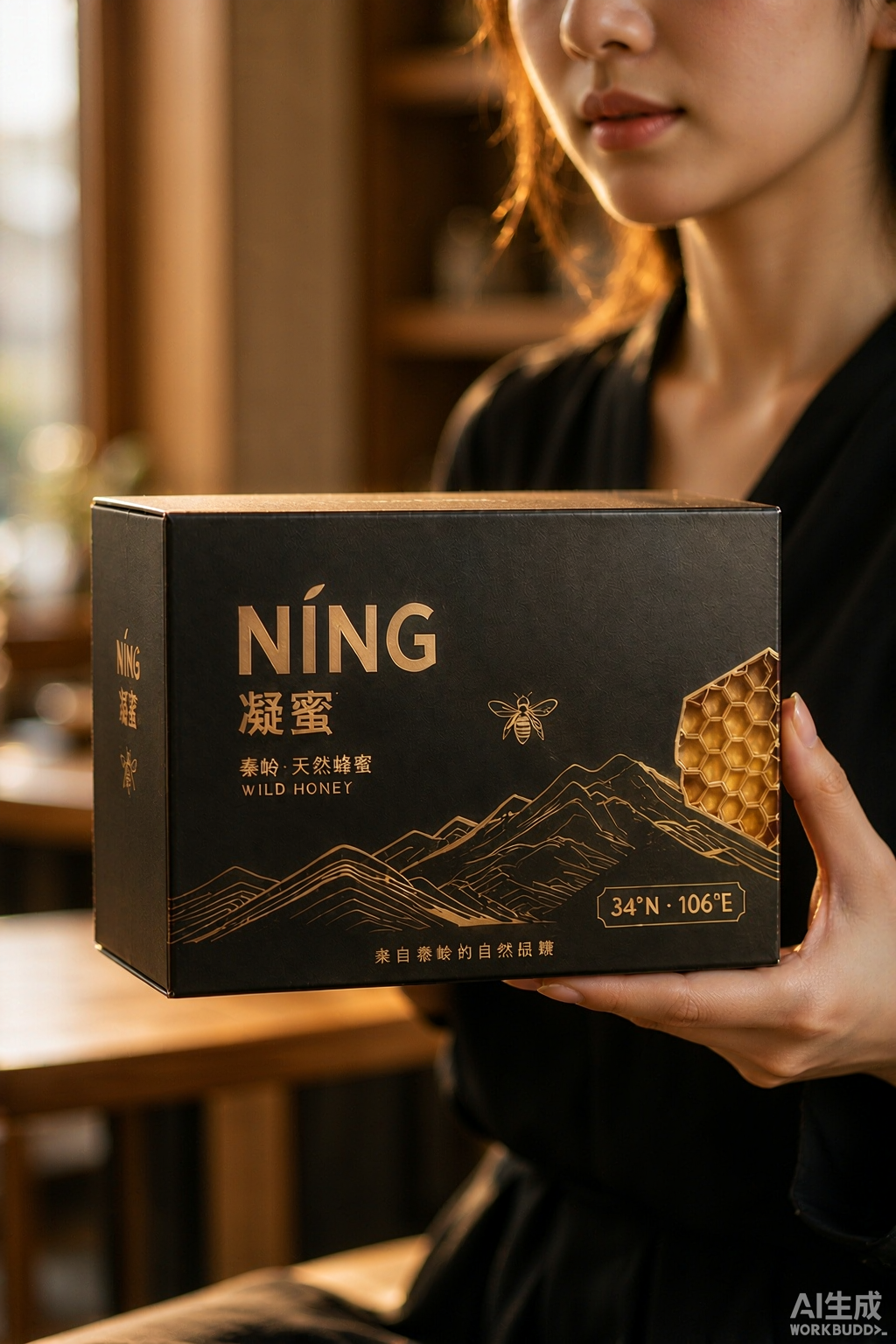
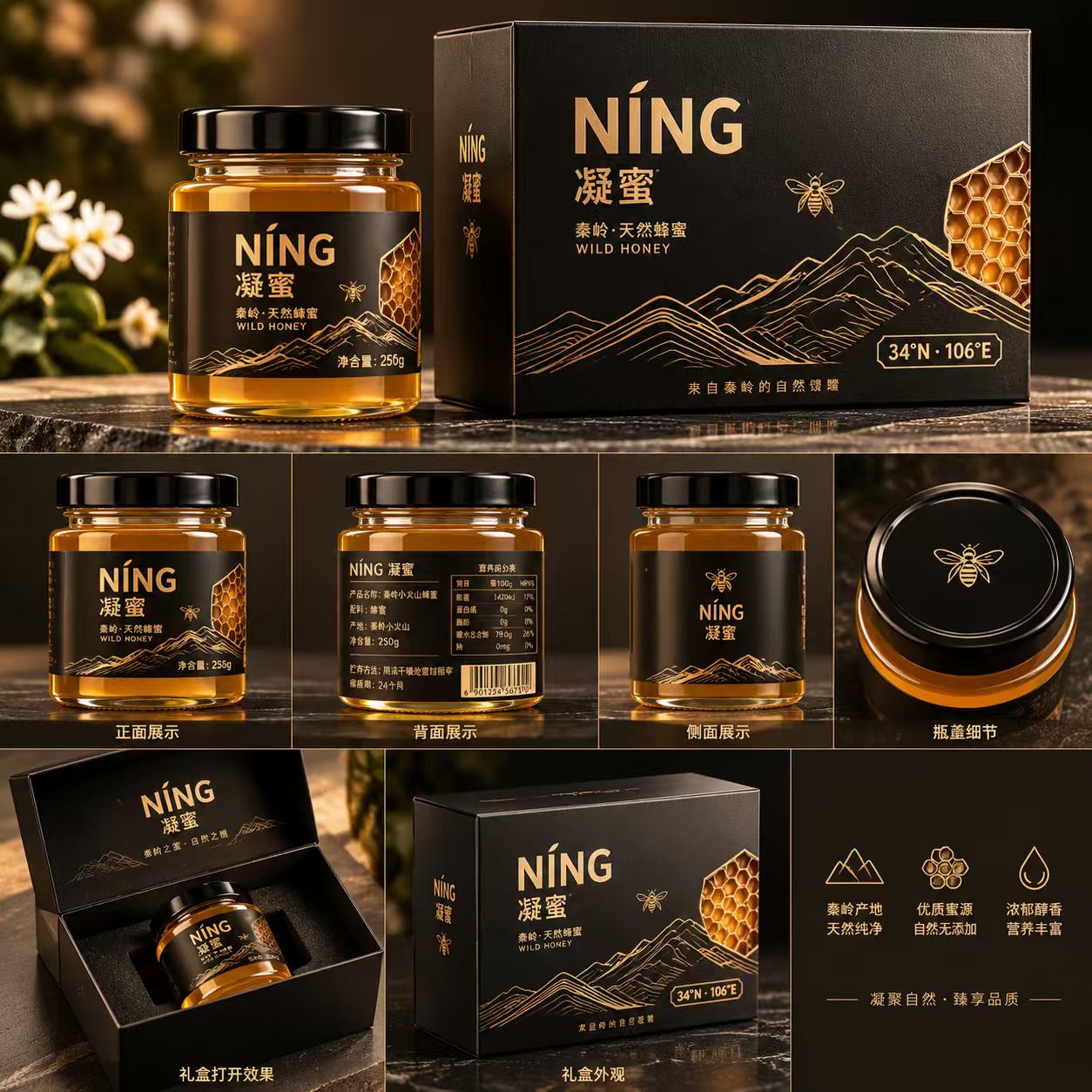
The mountain is far, the honey is near. A black-and-gold lift-off gift box, two jars, a mountain gift with a story worth telling.
THE RITUALS
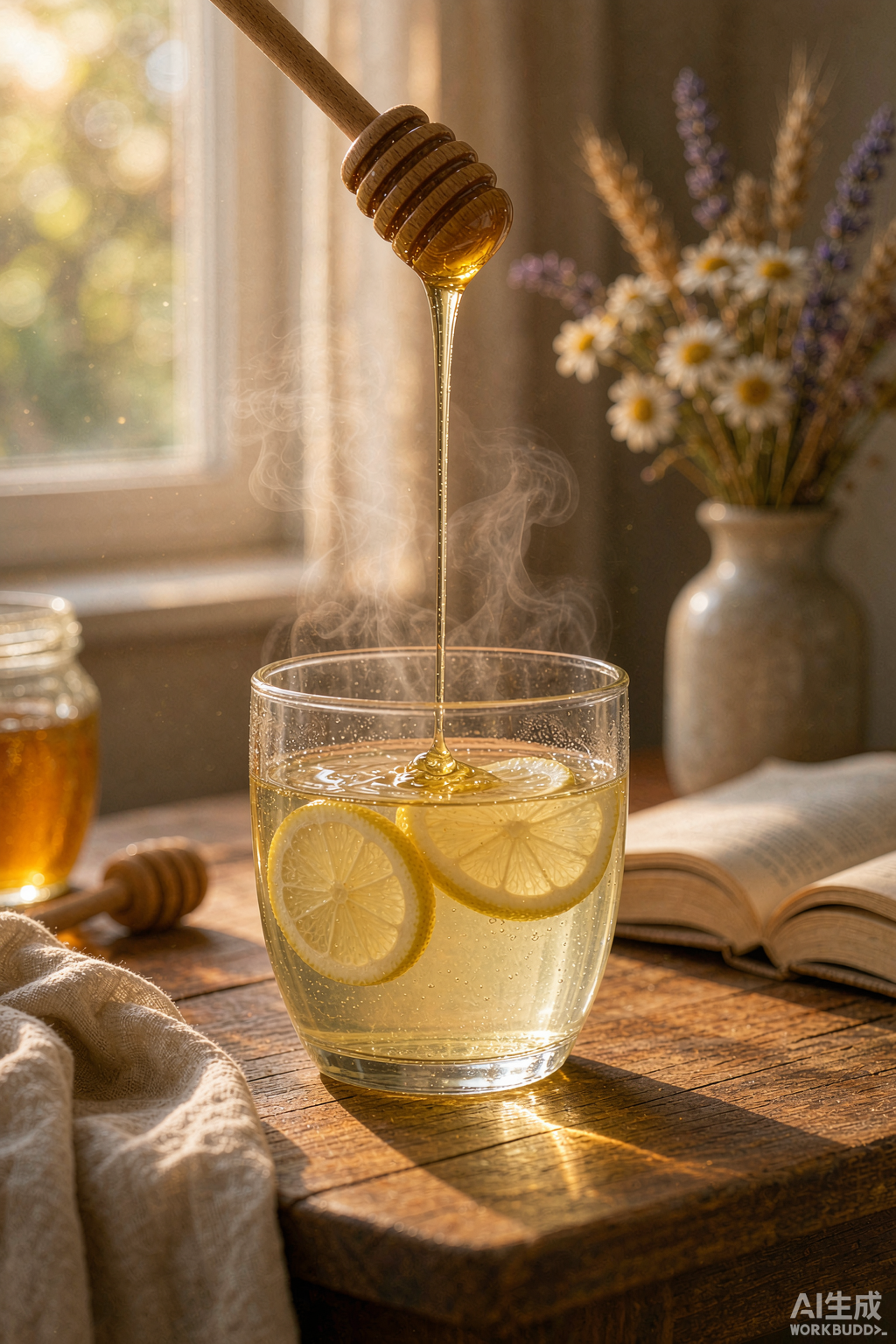
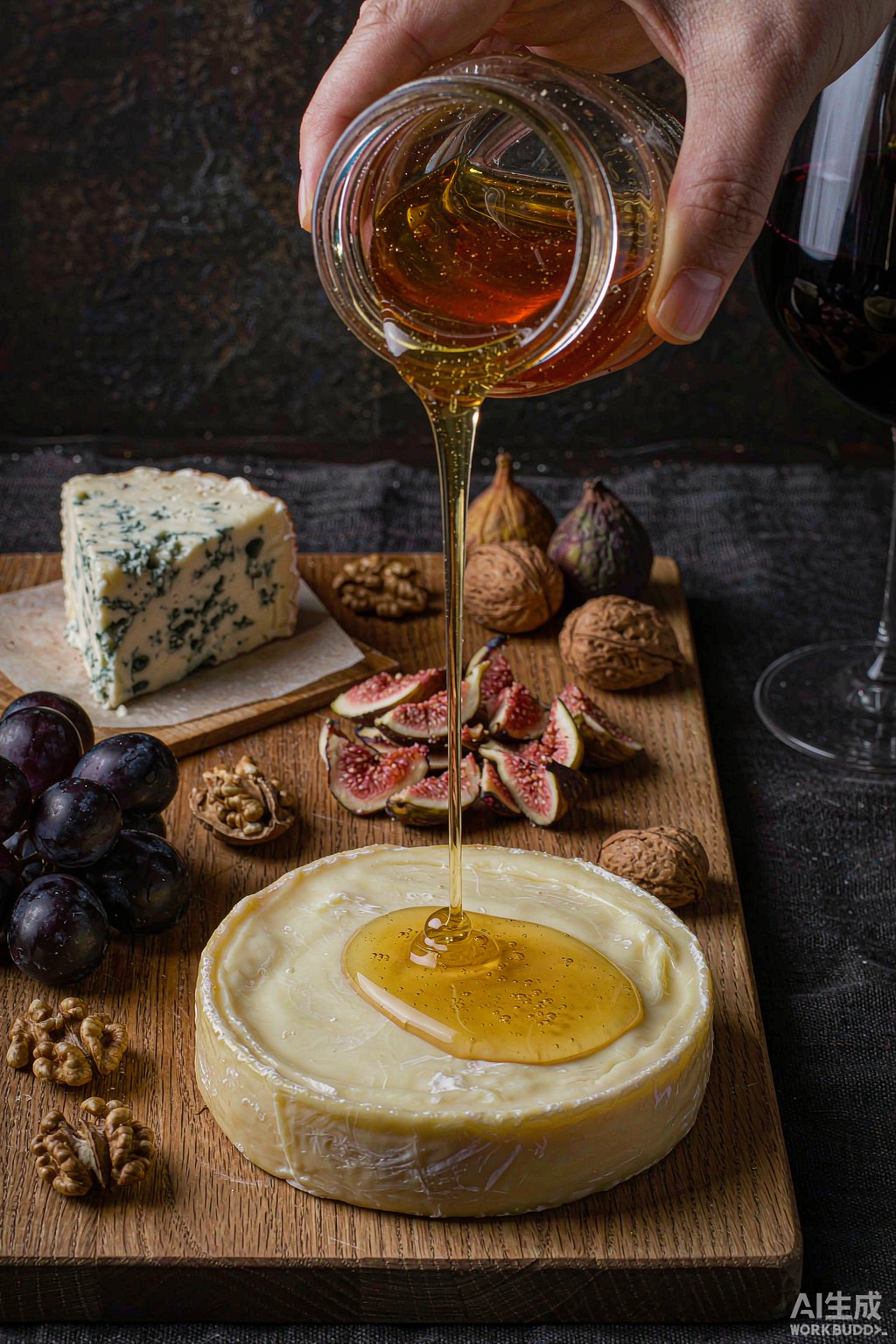
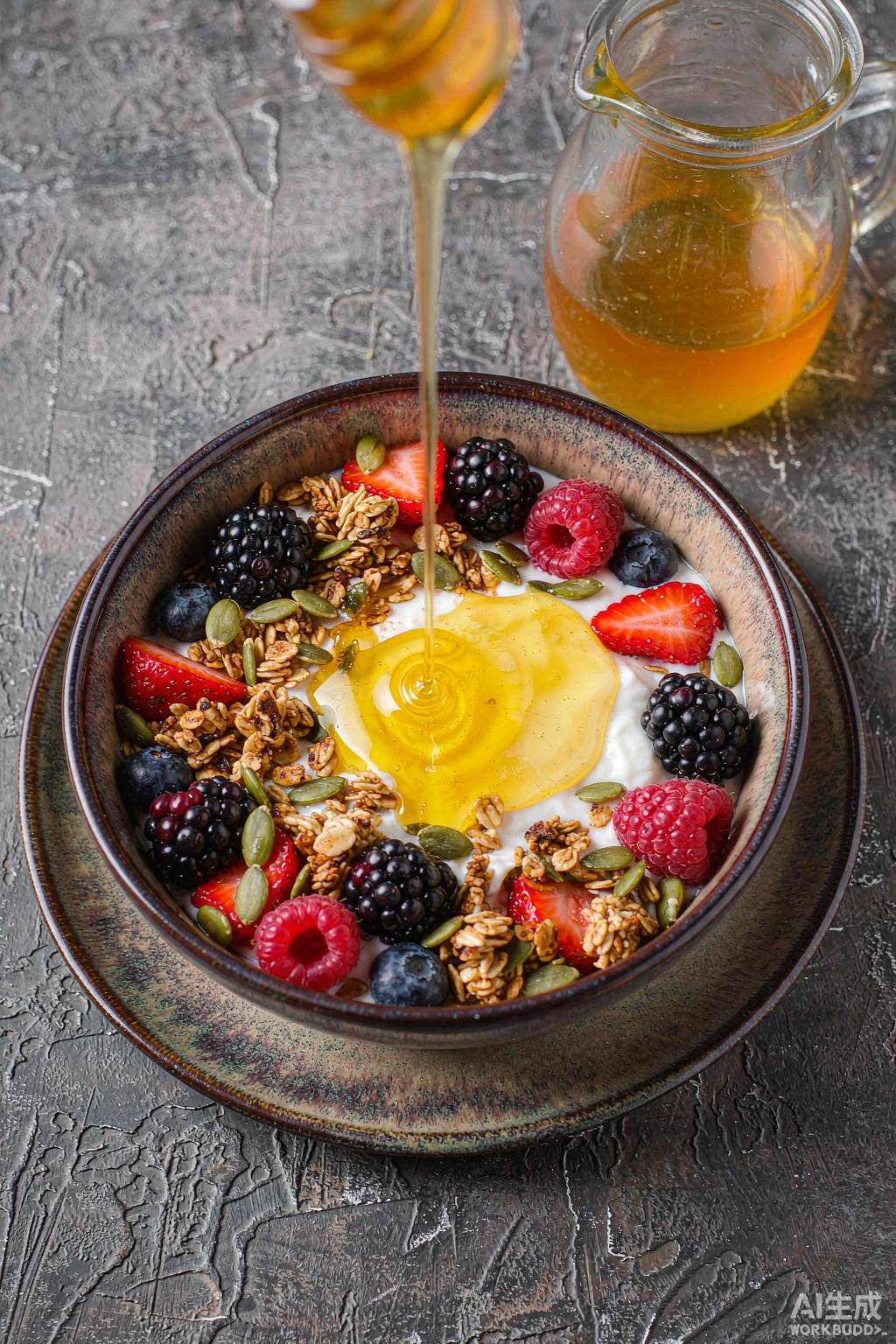
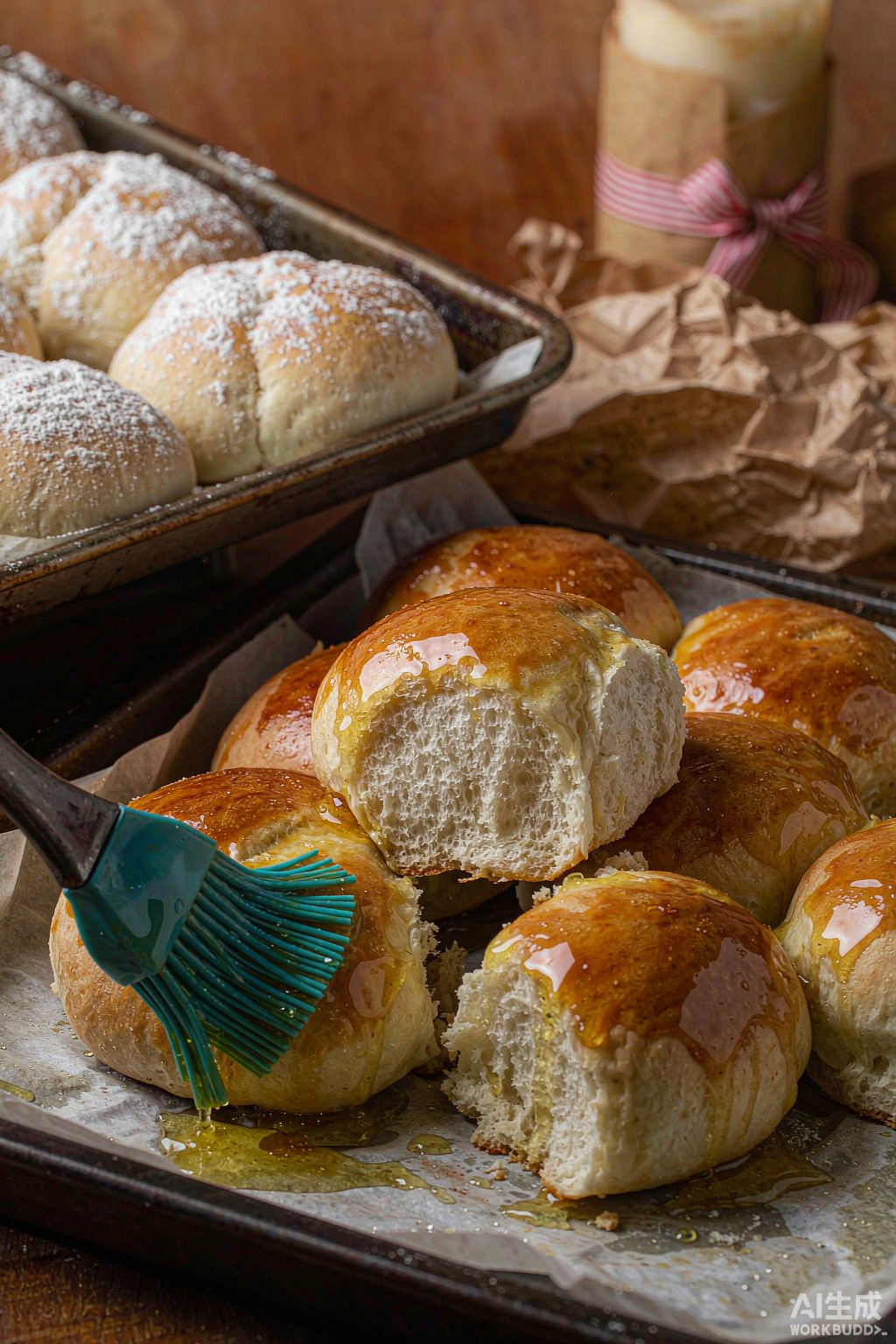
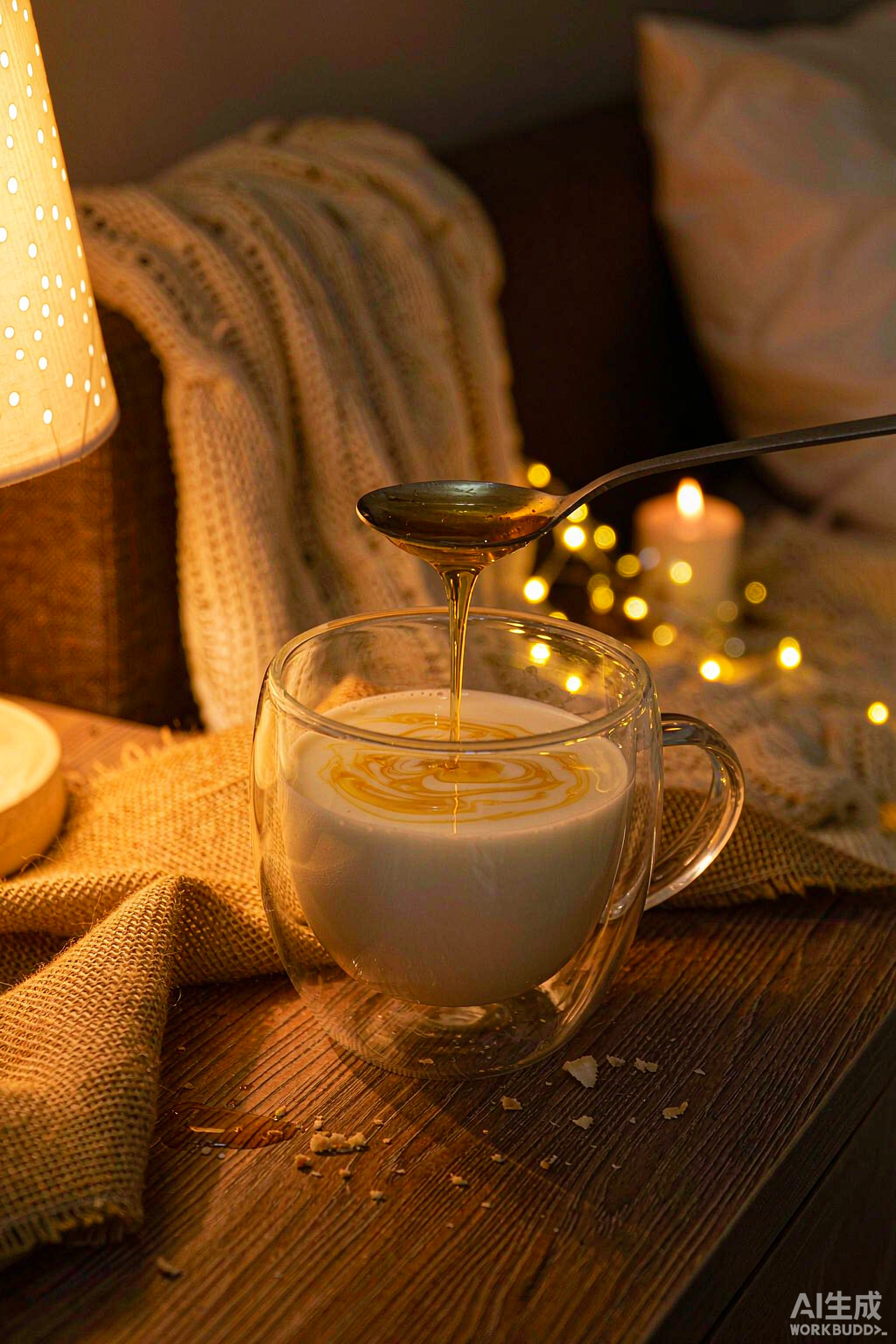
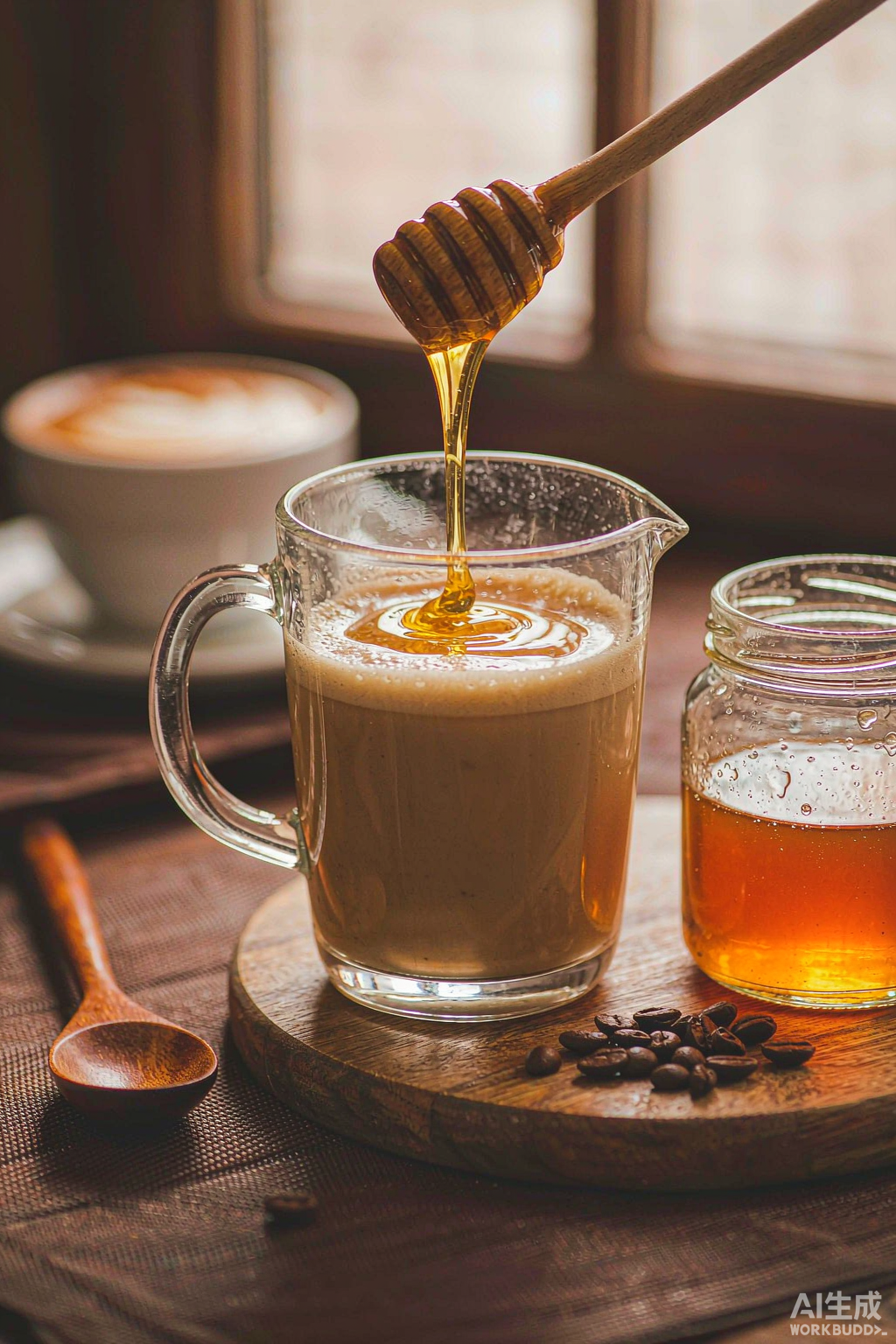
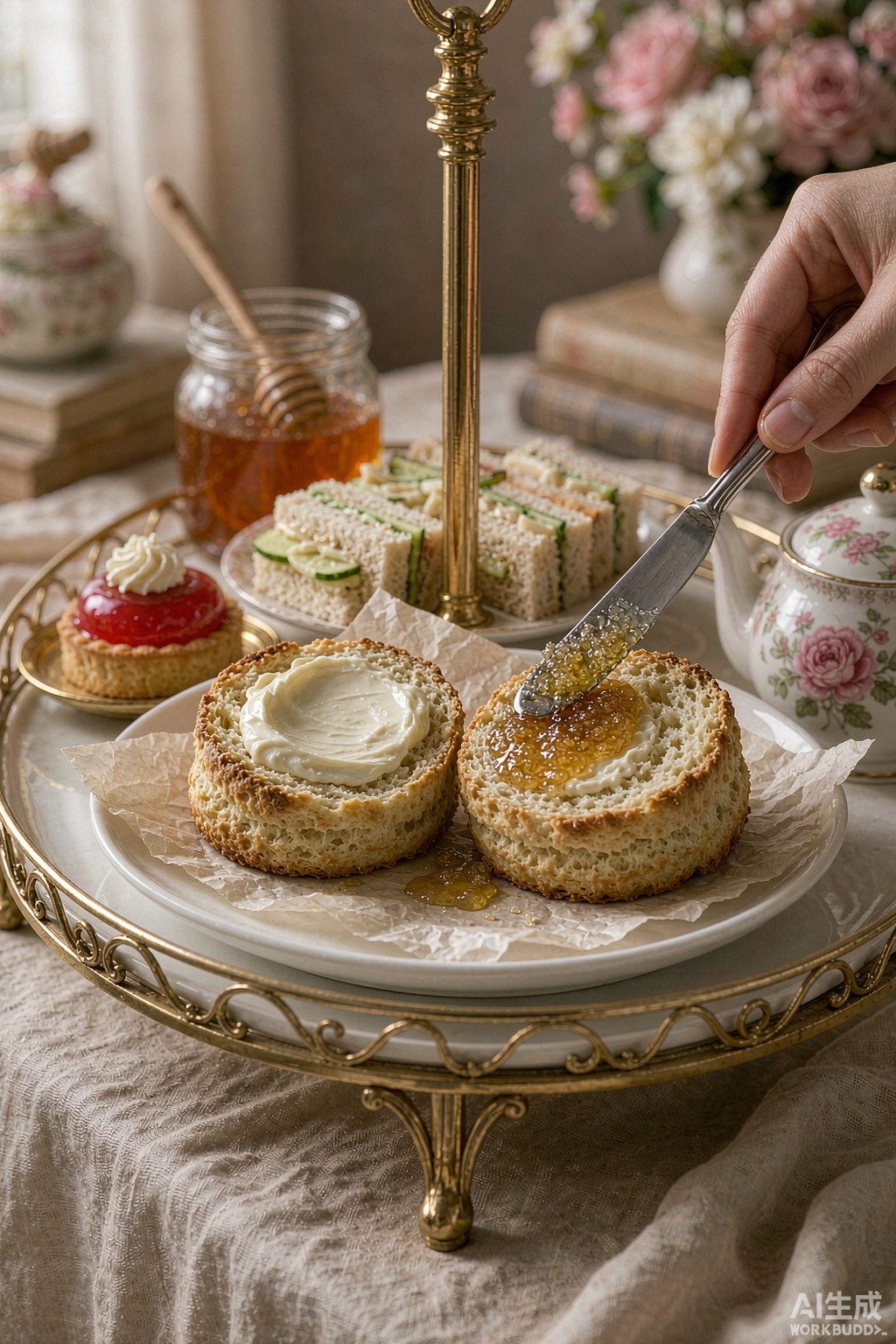
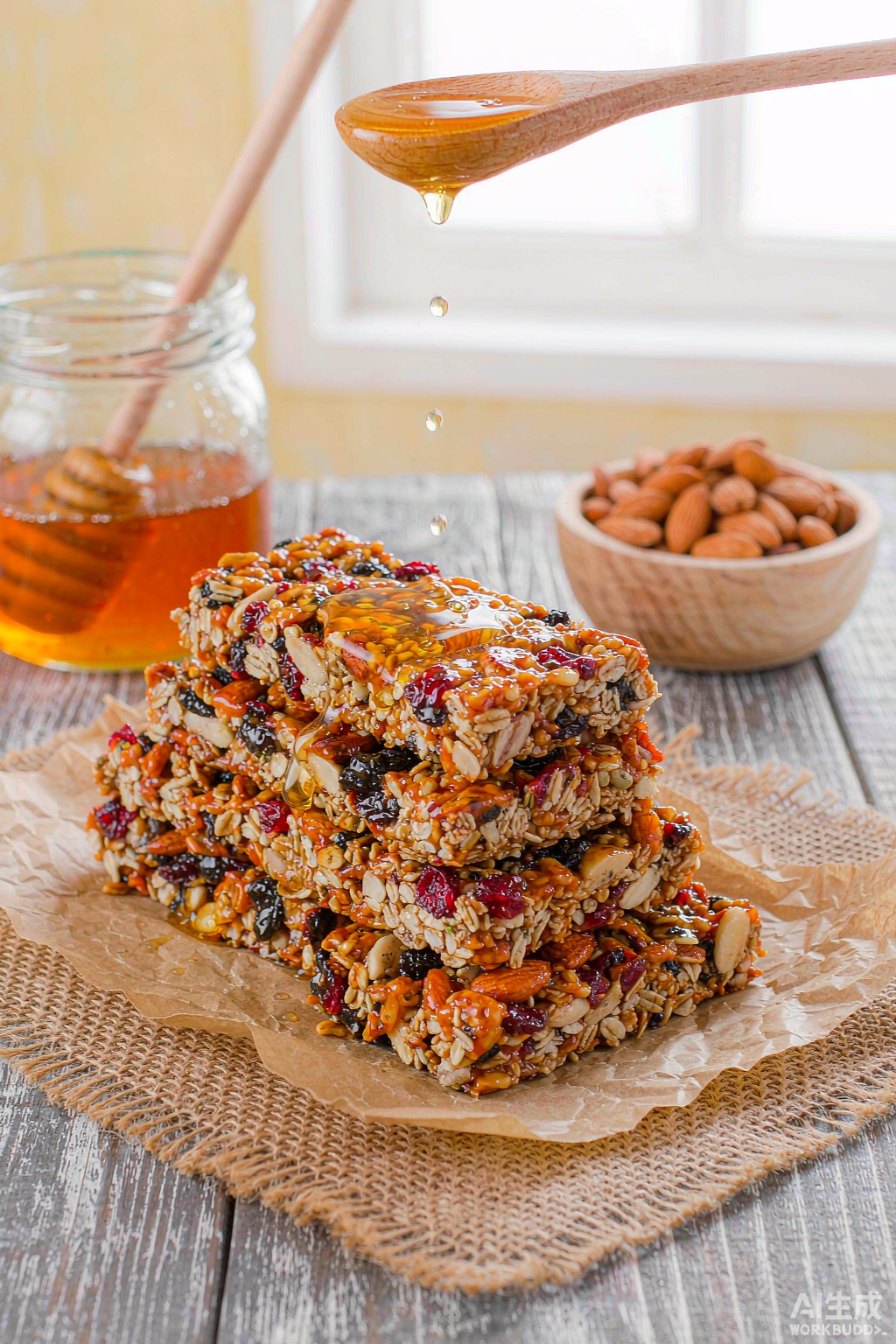
THE GIFT
A black-and-gold lift-off box, hot-stamped with a ridgeline and embossed with honeycomb. Wide-shouldered square jars that look at home on any shelf. Every jar carries an origin card — a gift you can tell the story of.
THE FILM